
Ages & Progression2 min read
Every Age in Empire Command AR, Explained
Eight eras, one empire. What each age changes strategically, when to advance, and how the game reinvents itself from the Dark Age to the Futuristic Age.
Applies to: version 1.0. Details may change in updates.
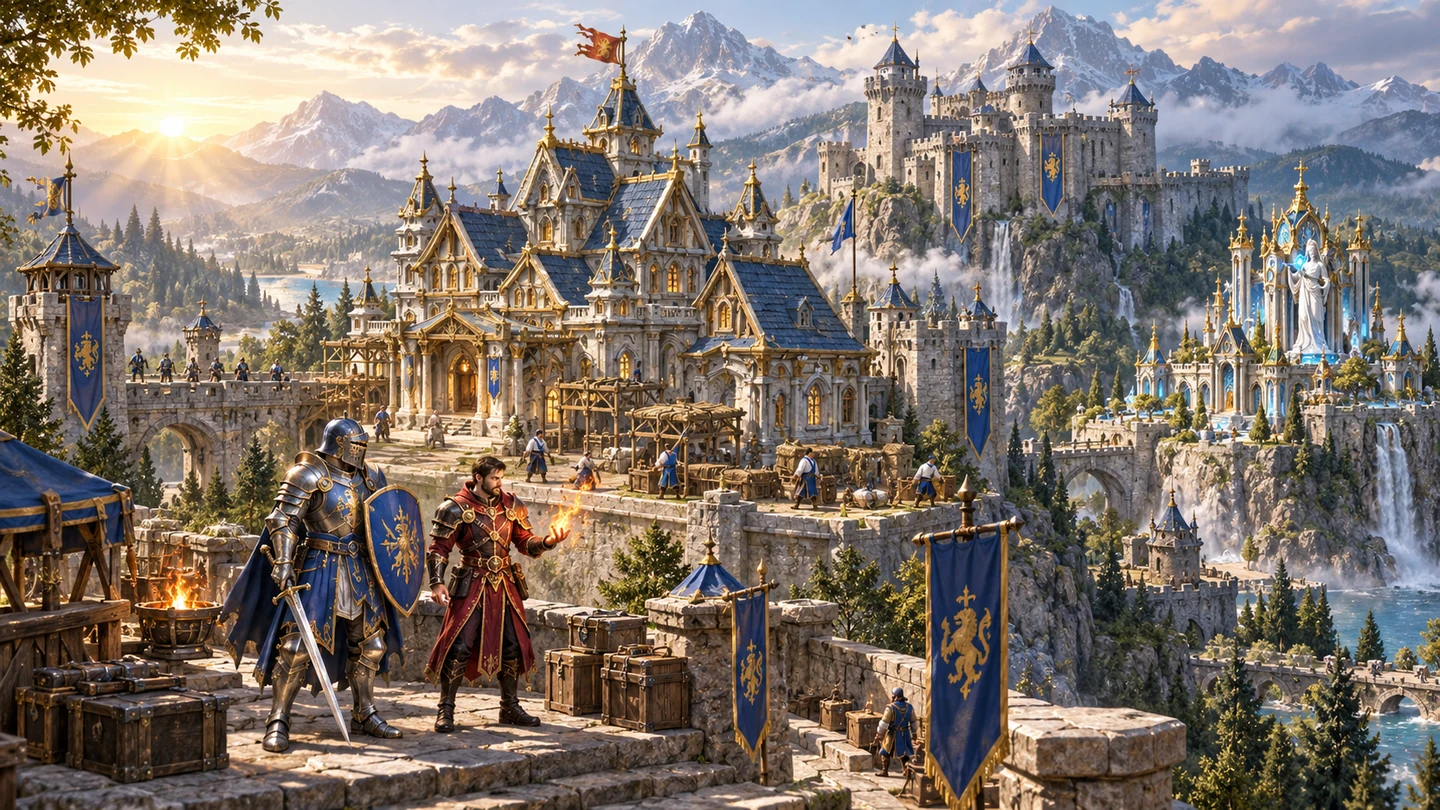
The illustrated age atlas
Eight ages.
One continuous empire.
Concept artwork · All eight ages are in the game.
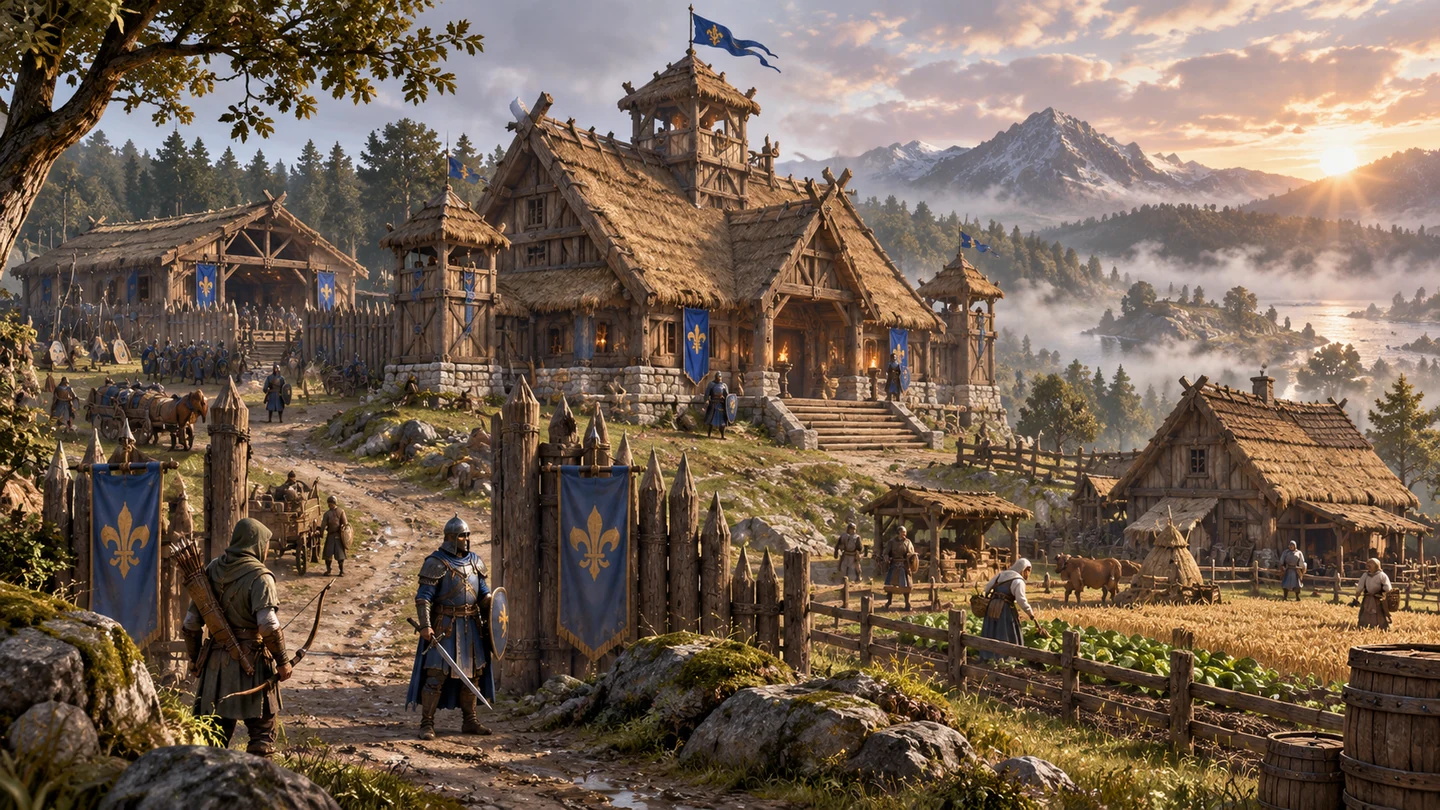
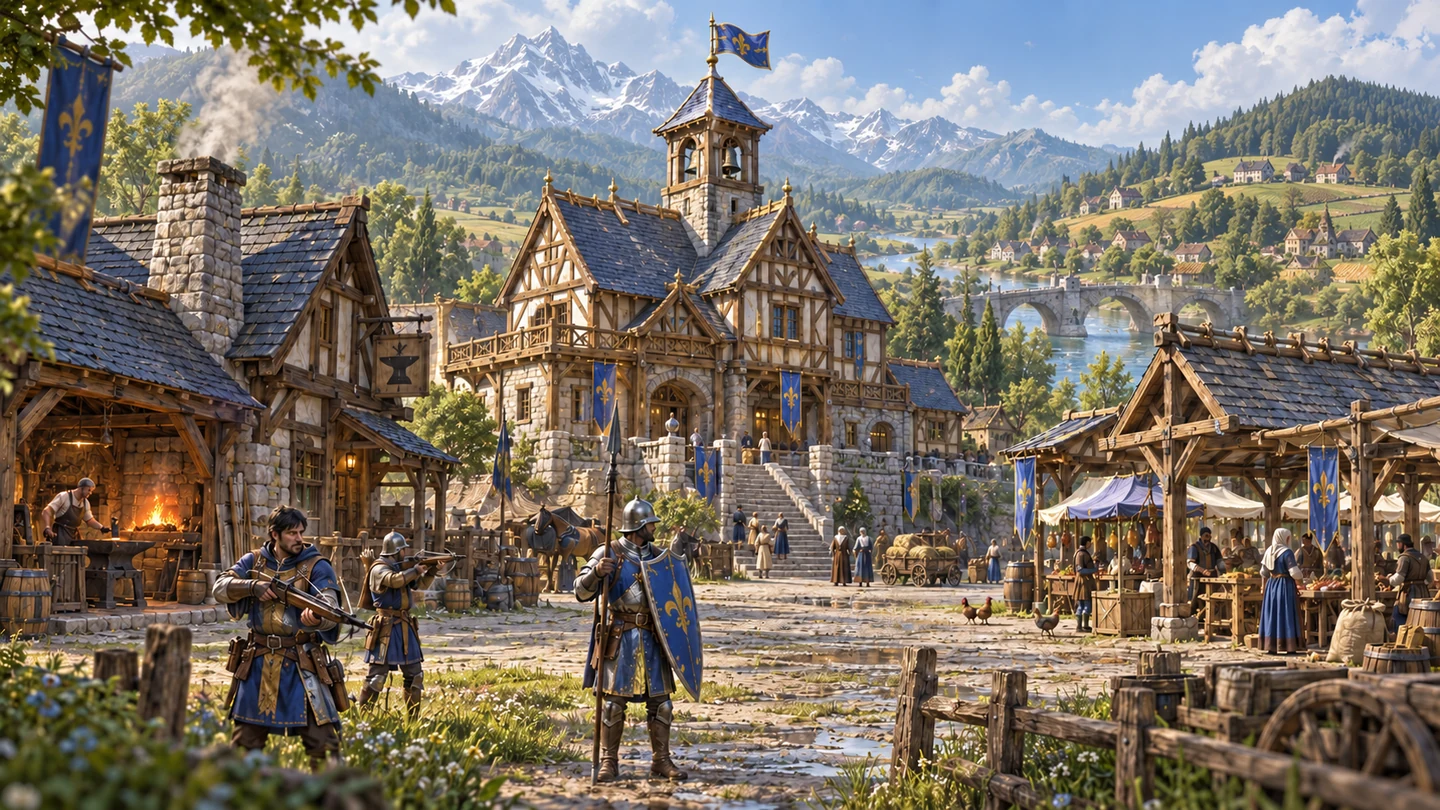
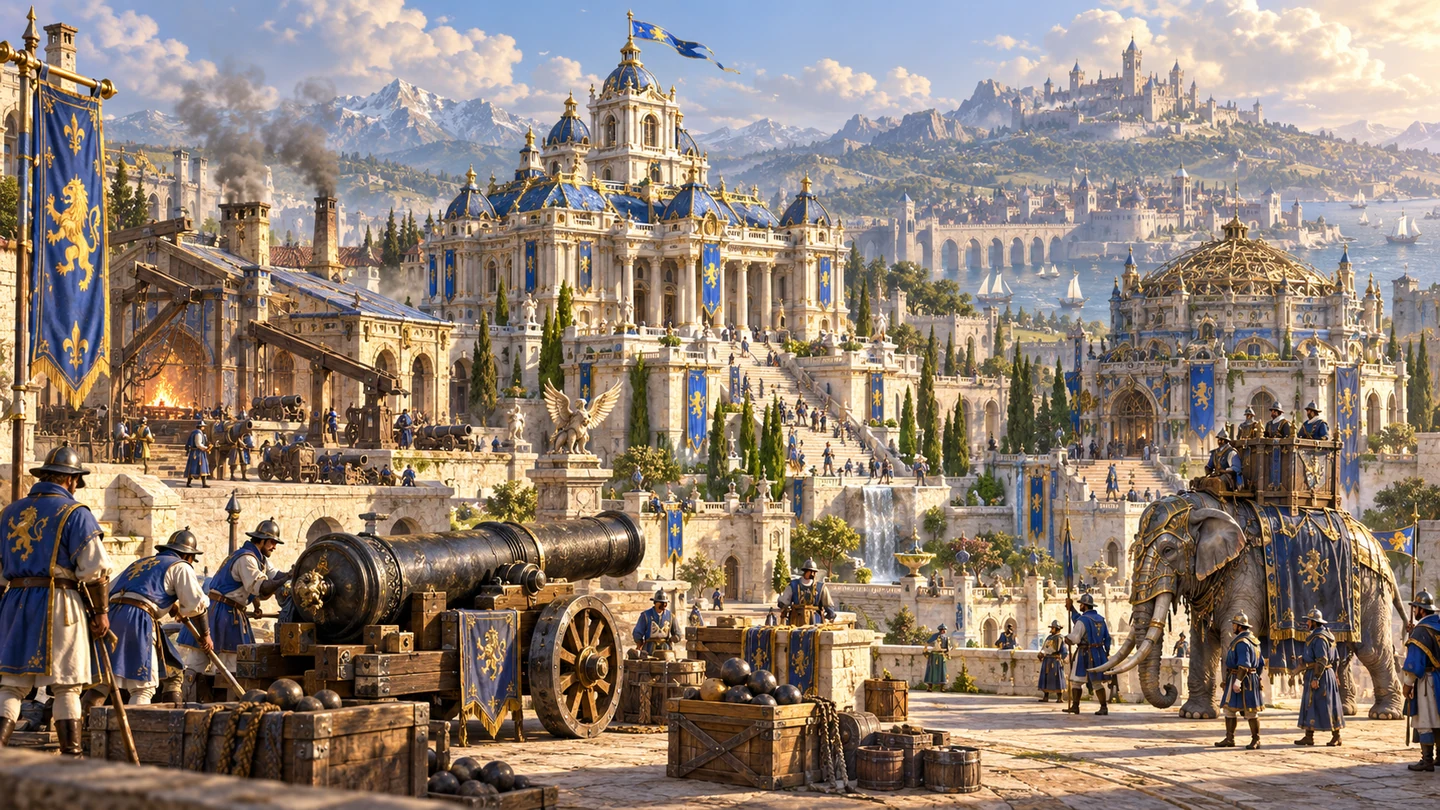
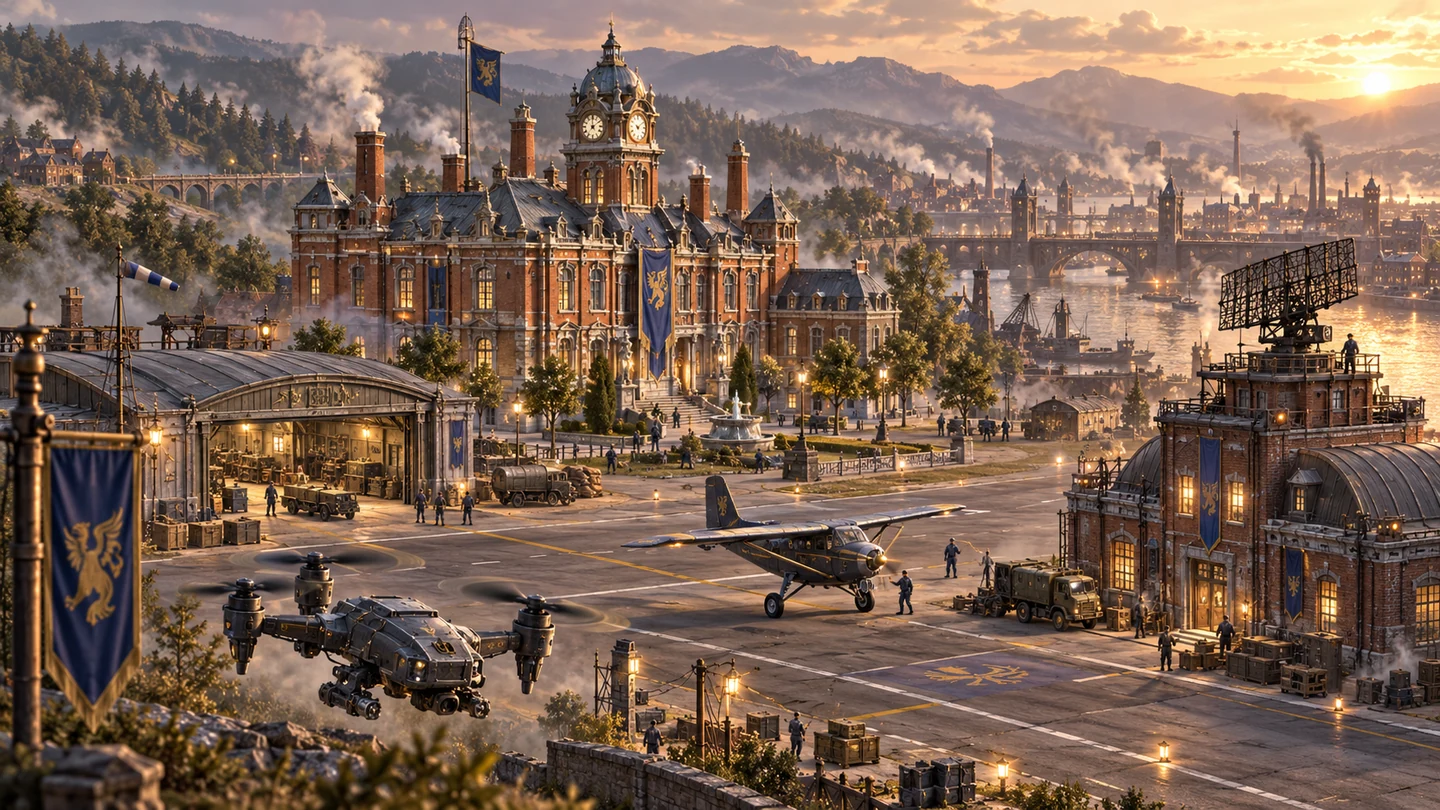
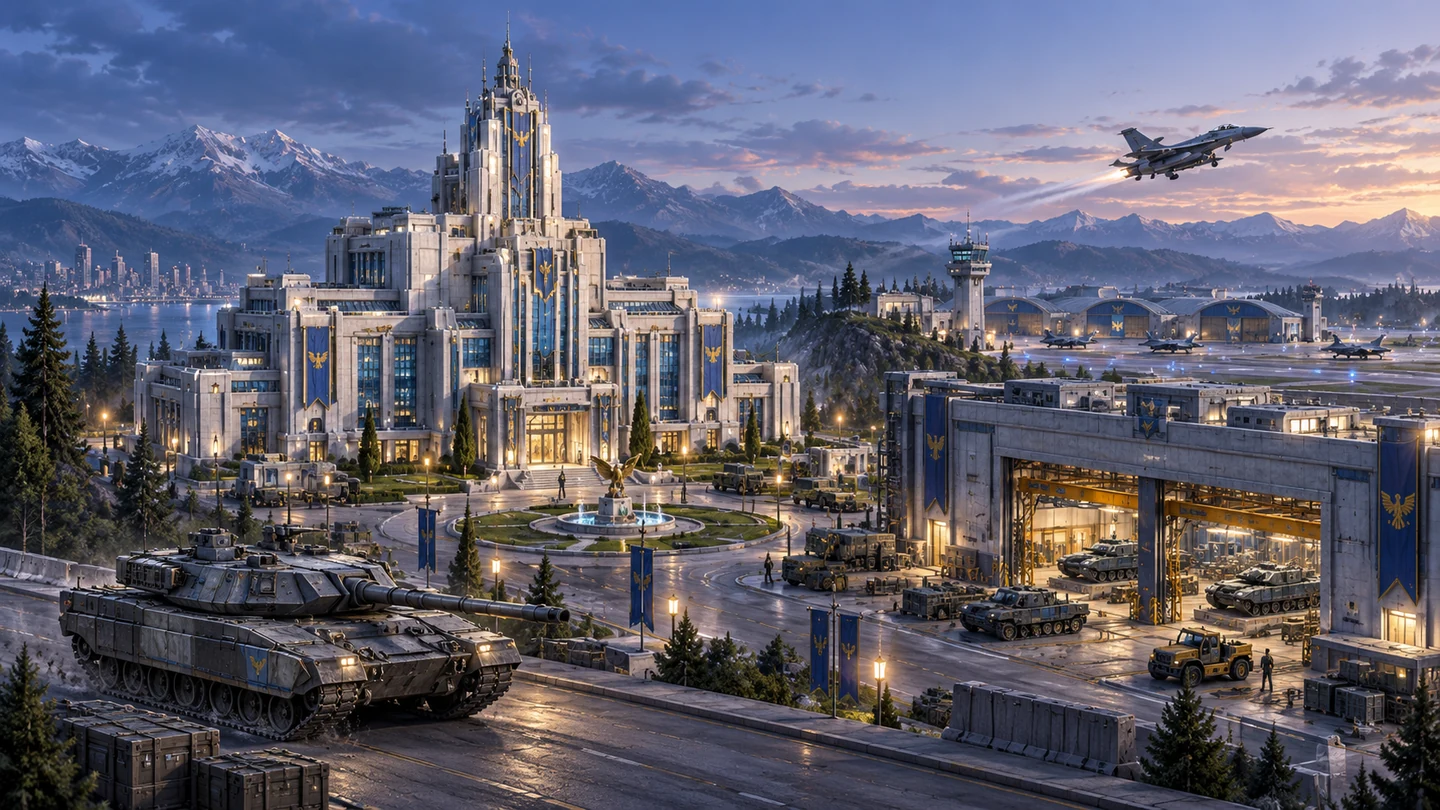
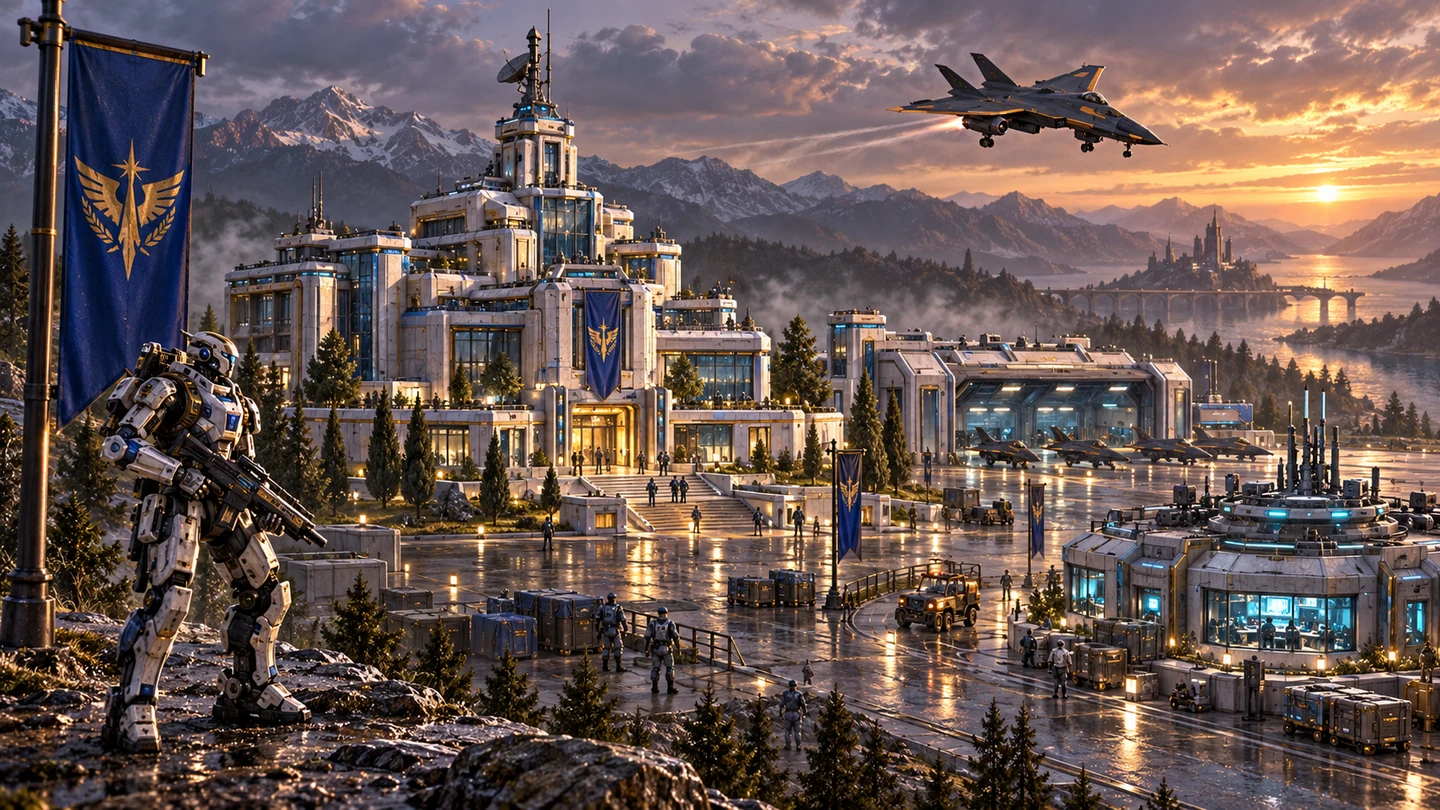
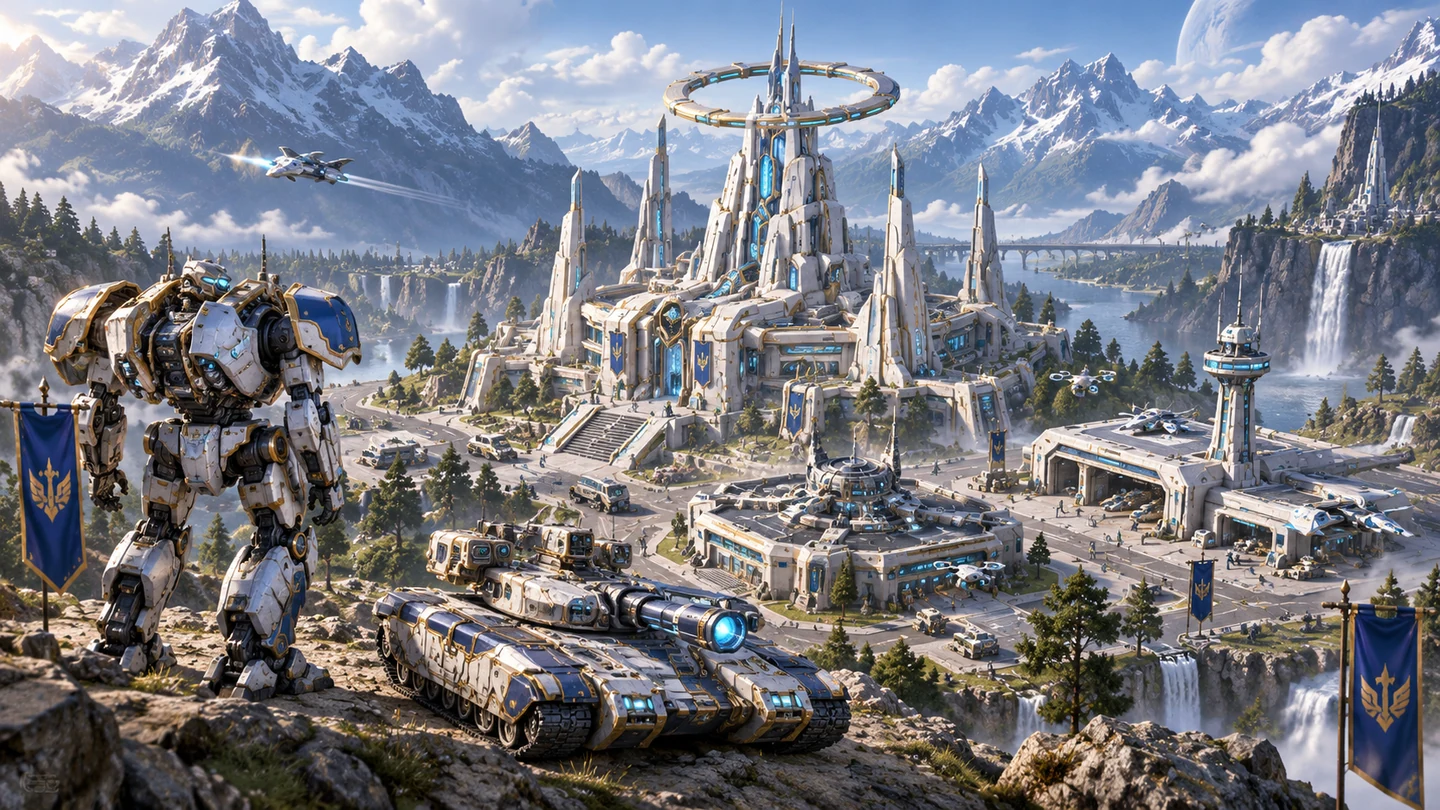
Empire Command AR’s progression runs through eight ages, and each one is a genuine strategic rewrite — new units, new buildings, new resources, and new questions your old answers can’t handle. Here’s the arc in one place. Each age also has its own detailed page in the ages overview.
The medieval arc: survival to supremacy
Dark Age. Scarcity is the gameplay. A Town Center, a few villagers, and decisions that echo for an hour. The skill here is restraint — building only what your plan needs, because you can’t afford anything else.
Feudal Age. The first real armies. Archery ranges and stables open the counter triangle — spears, cavalry, archers — and walls make defense a design decision. Raiding becomes a strategy; scouting becomes mandatory.
Castle Age. Warfare becomes positional. Castles turn locations into commitments, siege workshops answer them, knights rule the open field, and heroes arrive to anchor armies. The map develops a geography of power.
Imperial Age. The medieval peak. Everything upgrades, armies scale, and management skill — formations, reinforcement, multi-front pressure — separates empires from kingdoms. It’s also the calm before the industrial storm.
The great rupture: industry
Industrial Age. Artillery outranges the fortifications three ages perfected, and Oil enters the resource game. The empires that thrive are the ones willing to admit their proven playbook just expired. Economically, throughput replaces craftsmanship — wars get longer and production depth wins them.
The modern arc: three dimensions, then information
Modern Age. The sky opens. Aircraft reach anything, tanks spearhead the ground, and air defense becomes as fundamental as walls once were. Single-domain armies stop being armies.
Advanced Modern Age. Information becomes the decisive weapon. Drones scout continuously, intelligence systems turn seeing into a resource, precision strikes reward knowing exactly where to hit — and EMP warfare makes blindness a weapon too.
Futuristic Age. The synthesis. Energy and Rare Crystals gate the endgame’s technology, mechs and laser tanks walk the field, and everything your empire has ever learned applies at once. The signature vulnerability is dependence: striking the power grid disrupts advanced unit production and reinforcements. Existing units keep fighting when energy capacity falls.
When to actually advance
The pattern that holds across all eight transitions:
Advance for a reason, not a feeling. Each age-up should have a name — the unit, building, or capability you’re buying. “Because I could afford it” is how empires arrive in new eras poor and unprepared.
Guard the transition. Advancing consumes resources that could have been army right now, which makes the advancing player temporarily weaker. Good opponents attack exactly then. Bank your age-up behind a defensive floor.
Don’t fight the last war. Every age punishes the strategies the previous one rewarded — castles meet artillery, armor meets air power, sensors meet EMP. The players who dominate long games are the ones who ask, at every transition, “what just stopped being true?”
One empire, eight languages
The deeper design: the ages aren’t eight separate games. Your Dark Age instincts — screen the fragile things, scout before committing, spend with a plan — stay true to the very end. Each era just gives the same strategic grammar a new vocabulary. Learn the reasoning once, and the whole timeline is yours to command.